

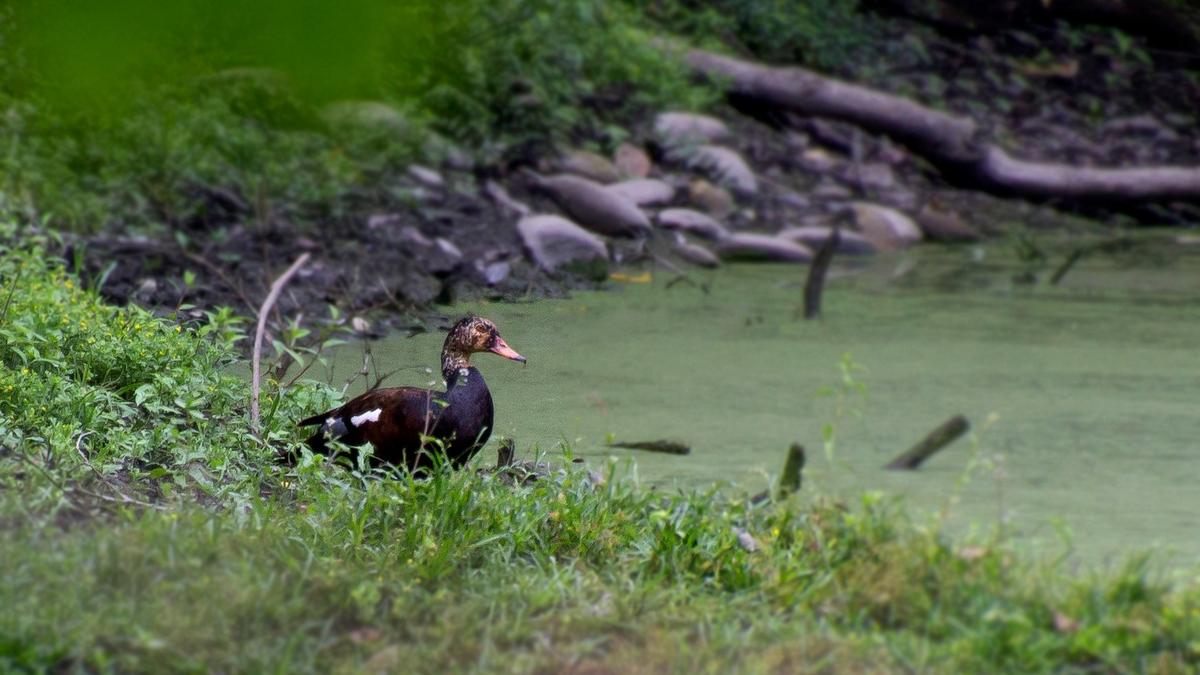

Pokkhi currently features the Assamese and English common names of 372 resident and migratory species recorded in Assam. Photo: Special Arrangement
:
The birds of Assam are now perched on the State’s first digital avian repository. Chirantanu Saikia and Abhilash Gayan, two birdlife enthusiasts, have come together to launch Pokkhi, which currently features the Assamese and English common names of 372 resident and migratory species recorded in the State.
Each species has a brief description and its IUCN (International Union for Conservation of Nature) conservation status. Asian Bird Monitoring Network, Wild Heart Foundation, and The Vulture Network collaborated for this initiative.
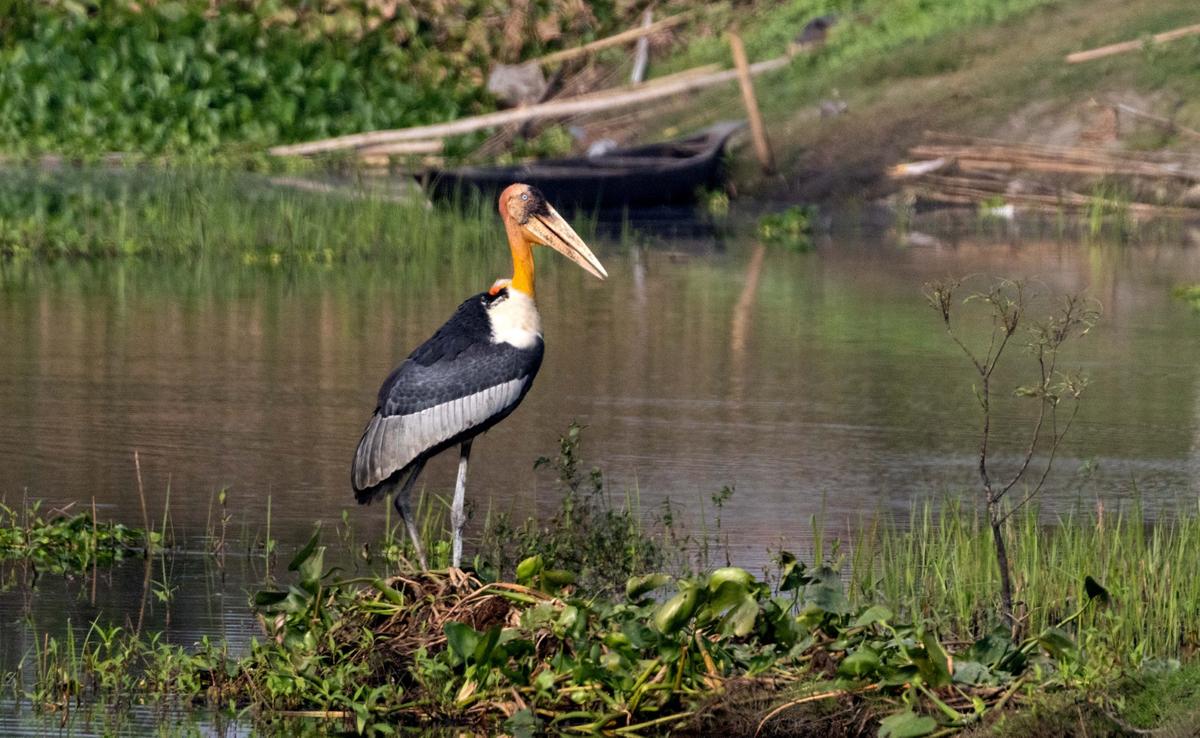
Photo: Special Arrangement
Of the 372 species listed on Pokkhi, 321 are of least concern or have stable populations. These include the Alexandrine parakeet (Assamese name raj bhatou), Ashy bulbul (kojola fesuluka), Bar-headed goose (dhritaraj), Chestnut munia (kolamuri tuni), Dollarbird (Nila kao sorai), Eurasian wigeon (kheri haanh), and Garganey (kalajbulia).
The repository lists 24 near threatened species, including the Asian woolly-necked stork (konuwa) and bearded vulture (Doria khogun); 13 vulnerable species, including the Black-breasted parrotbill (butbut sorai or non-khagori bhatou) and River tern (gongasiloni), six endangered species, including Finn’s weaver (halodhiya toukora sorai) and masked finfoot (bon dhekor); and eight critically endangered species, including the Bengal florican (ulumora) and Yellow-breasted bunting (halodhiya tuni toukora).
Photo: Special Arrangement
“Our bird-specific platform aims to become one of the most comprehensive repositories of Assamese bird nomenclature. It seeks to address the limited accessibility of local bird names while promoting awareness and appreciation of Assam’s rich birdlife,” Mr. Saikia, a wildlife photographer and birder from Sonitpur district’s Jamugurihat, said.
Easy access
Mr. Gayan, also a birder and wildlife photographer from Sivasagar district’s Gayan Gaon, said they conceived Pokkhi after facing difficulties in finding reliable Assamese names for many bird species during their field expeditions.
“We are also keen on documenting the names of the featured birds in all languages spoken by the indigenous communities in Assam,” he said, pointing out that the freely accessible site, https://www.pokkhi.in, has a section for people to input the local names of each bird.
Photo: Special Arrangement
“We want the platform to serve as a valuable resource for birdwatchers, photographers, students, educators, researchers and anyone interested in Assam’s rich avian diversity,” Mr. Saikia said.
Pokkhi also has a bird identification guide for visitors to “discover how birdwatchers identify species by recognising distinctive field marks” and find out what supercilium, lore, tarsus, and vent mean apart from the commonly known terms, including crest, belly, bill, claw, and tail.
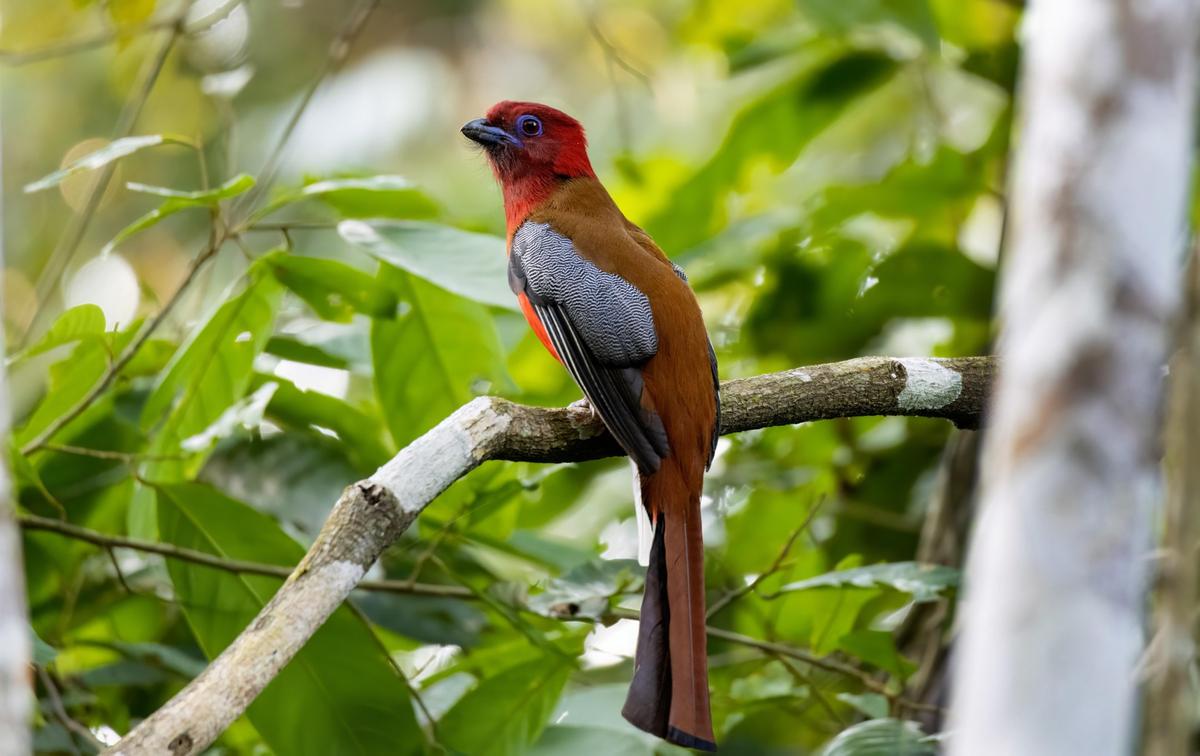
Photo: Special Arrangement
The supercilium is the stripe running above a bird’s eye, often called the eyebrow. The lore is the area between the eye and the base of the bill; it may be bare, feathered, or brightly coloured and is often important for identification. The tarsus is the lower leg segment between the toes and the feathered part of the leg. The vent is the area surrounding the cloaca beneath the tail. Another section on the platform is the “bird of the day”. It currently features the Green-billed malkoha (bomura).
The description for this bird of least concern reads: “Assam Seasonality: Active year-round resident or seasonal migrant in Assam’s diverse floodplains and forest layers. The size of the bird is 39-46 cm. Distinctive local avian species with regional field marks. Dimorphism: Sexes vary; males frequently show brighter plumage during the spring breeding cycle.”
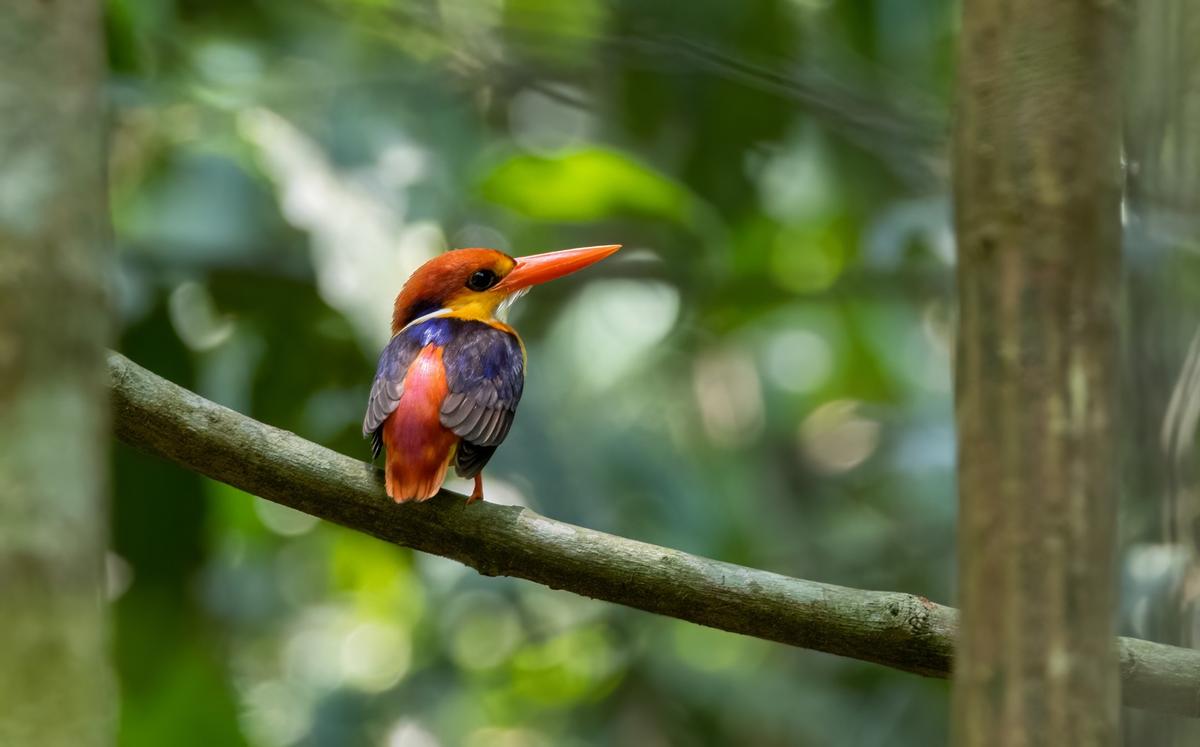
Photo: Special Arrangement
Published – July 01, 2026 01:21 pm IST