

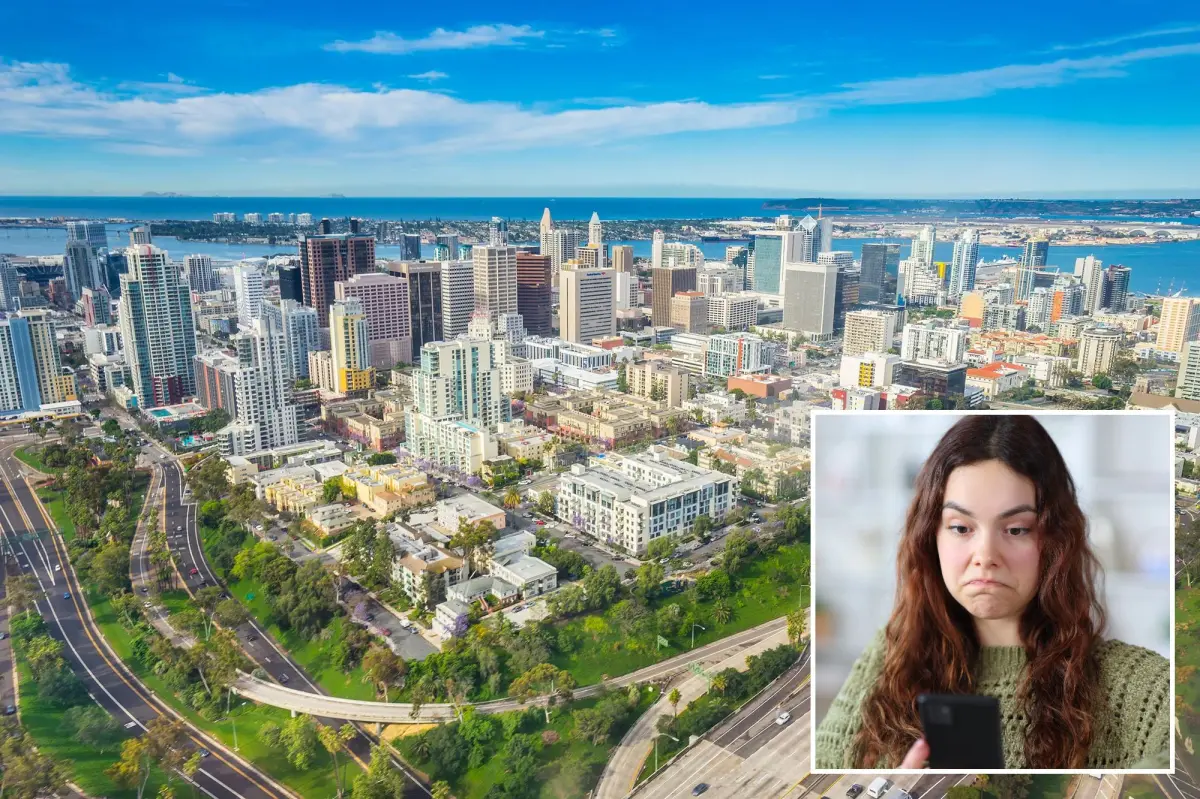

There may be plenty of fish in the sea — but a new survey says West Coast singles are getting hooked by catfish.
One Washington city was named America’s catfish capital in a new Casino.org ranking of where online daters are most likely to be reeled in by fake romantic profiles — but California was swimming right behind in the digital dating hall of shame.
San Francisco was ranked second in the nation, as San Diego tied for third with Las Vegas. While Bakersfield landed in fifth, giving the Golden State three of the top five cities where lonely hearts are apparently most likely to get duped by too-good-to-be-true matches.
The survey, released ahead of National Catfish Day on Thursday, June 25, polled 2,000 Americans who has used online dating apps and sites, then created a “Catfish Index” based on how often respondents said they had been catfished, how many times it happened, the severity of the les and whether money was involved.
Seattle took the crown of shame with a (not so) perfect score of 100, with nearly 94% of locals saying they had been catfished online — and 7% saying they’ve been catfished five or more times.
San Francisco came right behind it — proving Silicon Valley isn’t the only place where people are inventing things online.
About 71% of San Francisco locals said they had been catfished, and 80% of those victims said they sent money to someone who turned out to be fake, with reported losses averaging $1,500.
The most common tricks in the Bay Area were fake photos and phony claims of wealth and success — because apparently even dating profiles need a little startup funding.
San Diego also got soaked, tying Las Vegas for the third-highest catfish score.
Nearly 98% of San Diego locals surveyed said they had encountered castfishing online, with fake photos, fake ages, fake locations, AI-generated images and exaggerated lifestyles all surfacing in the city’s dating pool.
Only 22% of San Diego victims said they sent money to their catfish.
The upside for America’s Finest City: San Diegans appeared quicker to smell something fishy, with 44% saying they caught on within the first week and 22% saying they realized immediately.
Vegas, meanwhile, proved that what happens on dating apps may just be as questionable as what happens on the Strip.
About 85% of Las Vegas locals said they had been catfished, while 82% said their fake romantic interest used bogus photos and 73% said they lied about their age.
Nearly 45% of Las Vegas victims said it took them about a month to realize they were being played, and 36% admitted they sent money to someone who turned out to be fake.
Bakersfield rounded out the national top five, giving California another spot near the top of catfish-infested waters.
But it wasn’t all bad news for the Golden State’s dating scene.
San Diego and Sacramento residents were ranked as the least likely in the nation to catfish others, both scoring zero on Casino.org’s “most likely to catfish others” index.
Sacramento also ranked among the cities least likely to get catfished, suggesting the state capital may be one of the few places where a dating profile photo actually resembles the person who shows up.
San Francisco, however, managed to appear on both sides of the romance scam ledger.
The city ranked third among places where residents are most likely to be the catfish, with about 29% of locals admitting they had misrepresented themselves online.
Half of those San Francisco catfishers admitted they had asked a romantic interest for money, with respondents reporting they received an average of $5,000 from people they deceived.
Nationally, 73% of online daters said they had suspected a romantic interest of faking their identity, while 70% said they had actually been catfished.
The most common lies included fake photos, bogus ages, fake relationship status, exaggerated lifestyles and AI-generated images.
Tinder was named the top platform where users reported encountering catfish, followed by social media apps such as Instagram and Snapchat, Facebook Dating, Plenty of Fish and Bumble.
About 16% of Americans surveyed said they had sent money to someone who later turned out to be fake — with reported losses averaging a brutal $9,254.
So the next time your match looks too perfect, lives suspiciously nearby and urgently needs a wire transfer, remember: There are plenty of fish in the sea — but some of them are using someone else’s photos.
Download The California Post App, follow us on social, and subscribe to our newsletters
California Post News: Facebook, Instagram, TikTok, X, YouTube, WhatsApp, LinkedIn
California Post Sports Facebook, Instagram, TikTok, YouTube, X
California Post Opinion
California Post Newsletters: Sign up here!
California Post App: Download here!
Home delivery: Sign up here!
Page Six Hollywood: Sign up here!