


GLP-1s seem to be fertile ground for a variety of health benefits.
Recently, research has suggested the weight loss drugs might also help reduce risk of dementia and depression, help with ADHD symptoms and even reduce risks of breast cancer.
Now, new findings suggest GLP-1s — popularly sold under brand names like Ozempic and Mounjaro —could improve a number of male fertility markers, like testosterone and sperm quality.
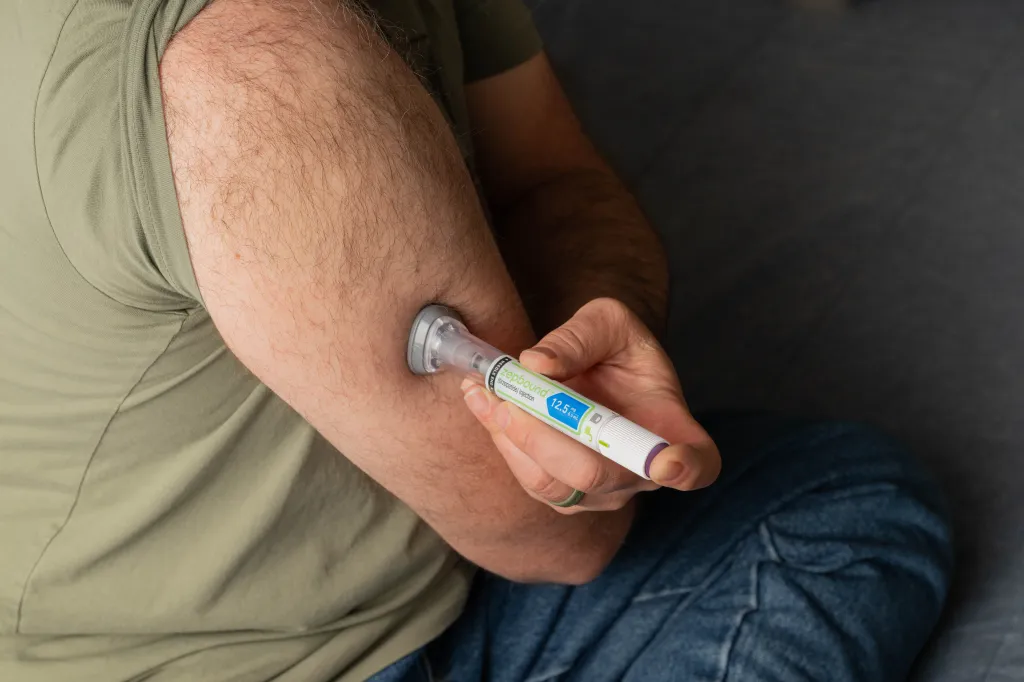
Obesity is associated with both low testosterone and poor sperm quality. Researchers who conducted the study at the University Hospitals Coventry and Warwickshire and Warwick Medical School in the UK believe that it’s the weight loss that brings the unintended, but welcome, fertility benefits.
How does obesity affect male fertility?
Obesity can start a vicious cycle in male reproductive systems. Excess body fat lowers testosterone levels, and low testosterone makes it harder to lose weight.
Obesity lowers testosterone for a few different reasons. Fat contains an enzyme calls aromataste, which converts testosterone to estrogen. Over time, this can affect signaling between the brain and testicles, lowering overall testosterone production.
Obesity is also associated with reduced production of sex hormone-binding globulin (SHBG), which carries testosterone in the bloodstream.
When the body produces little to no sex hormones (in men, this is mainly testosterone), it’s called hypogonadism. The main treatment for this testosterone replacement therapy (TRT), where extra testosterone is taken, often through injection, to regulate levels in the body.
TRT has downsides. Men who have a risk of prostate cancer or heart disease can’t take it. TRT also carries risks of worsening sleep apnea, causing acne or other skin reactions, or even limiting sperm production and causing the testicles to shrink.
This new GLP-1 research “supports a shift away from prescribing testosterone replacement in men with obesity and low testosterone and toward treating the the underlying cause — excess weight and poor metabolic health — which can naturally restore hormone levels and preserve fertility,” said author Dr. Pratibha Natesh at Warwick Medical School.

How do GLP-1s affect male fertility?
Researchers looked at the effects of dulaglutide (Trulicity), liraglutide (Victoza and Saxenda) and semaglutide (Ozempic, Wegovy and Rybelsus) on men aged 18-65.
Liraglutide was shown to increase testosterone levels, luteinizing hormone (which stimulates testosterone production), and follicle stimulating hormone (which stimulates sperm production). Researchers also found this drug improved sperm concentration and total sperm count.
Semaglutide improved sperm morphology, the number of normally shaped sperm, while preserving levels of two sex hormones. Dulaglutide didn’t change levels of reproductive hormones, sexual function scores, or semen quality.
Researchers believe any sexual health benefits are indirect results of treating weight loss, and GLP-1s shouldn’t be used for fertility.
“Improving metabolic health can have positive effects far beyond weight alone,” Natesh said.
However, the research team cautions that evidence is still limited and showing varied results. They believe larger studies are still needed to fully understand GLP-1s’ effects on male fertility.