


The US and Iran have agreed to meet after the Islamic republic suffered blows in the peace deal relating to the Strait of Hormuz and Lebanon, a US official told The Post.
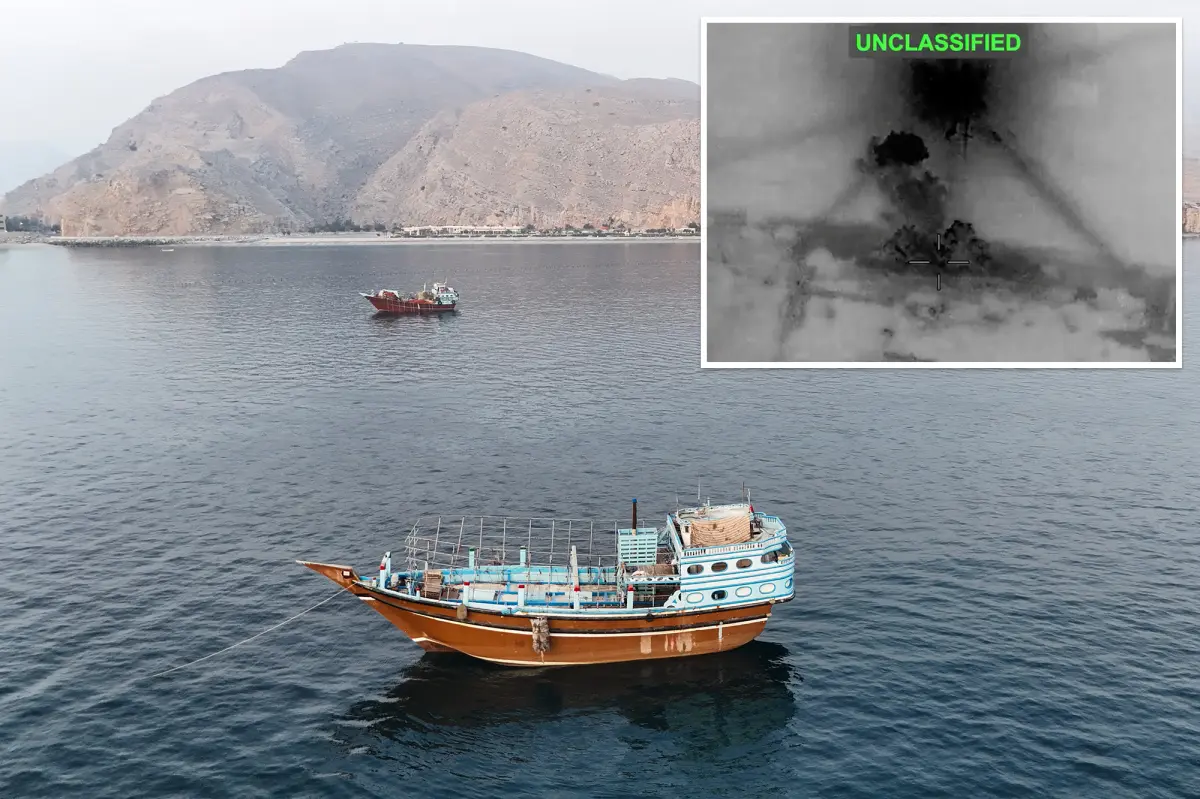
The Islamic republic resorted to attacks against ships in the strait and US allies in the Middle East after the latest developments threatened Iran’s control over the critical oil chokepoint, the source said.
The tit-for-tat attacks, however, are set to stop after the US and Iran agreed to end hostilities on Sunday ahead of peace talks set Qatar on Tuesday, the official added.
One of the key points that allegedly pushed Iran to act was US Central Command working with the International Maritime Organization to escort ships through the Omani side of the strait.
The action undermined Tehran’s control over the vital shipping route, which faced a big challenge after Oman stated that it did not support a toll system through the waterway.
“The Omani statement of no tolls really undercut the Iranian position,” the official said.
The Islamic republic is also supposedly upset that it has not been able to find new buyers for its oil after the US lifted sanctions against Iran last week.
Officials from the National Iranian Oil Co. have reportedly gone around Asia to offer refiners discounted oil to expedite sales, but it remains unclear how many deals have manifested.
As Iran attempts to capitalize on the cash flow secured through the memorandum of understanding, Tehran is also demanding the US unleash its frozen assets.
“We were always very clear with them that frozen funds would only be released as progress is made on the nuclear issue,” the US official said.
Along with issues related to the oil chokepoint, Iran is also frustrated to have been boxed out of the Israel-Lebanon peace talks.
The latest agreement, which was rejected by Hezbollah, calls on the Iran-backed terrorist group to disarm in return for Israel withdrawal from southern Lebanon.
It remains unclear how the deal would move forward without Hezbollah’s backing after previous cease-fires fell apart due to the same issue.
Despite the tit-for-tat attacks in the Middle East, the US and Iran are still holding negotiations under the memorandum of understanding, with both sides trying to gain leverage over the other.
Iran has since ordered the Strait of Hormuz closed again for the next 30 days before reopening the passageway, which sees about 20% of the world’s oil transports.
Meanwhile, President Trump has once again threatened total destruction of the Islamic republic if the escalation continues.
“There may come a point when we are no longer able to be reasonable, and will be forced to militarily complete the job that we very successfully started. If that happens the Islamic Republic of Iran will no longer exist,” Trump wrote on Truth Social.