

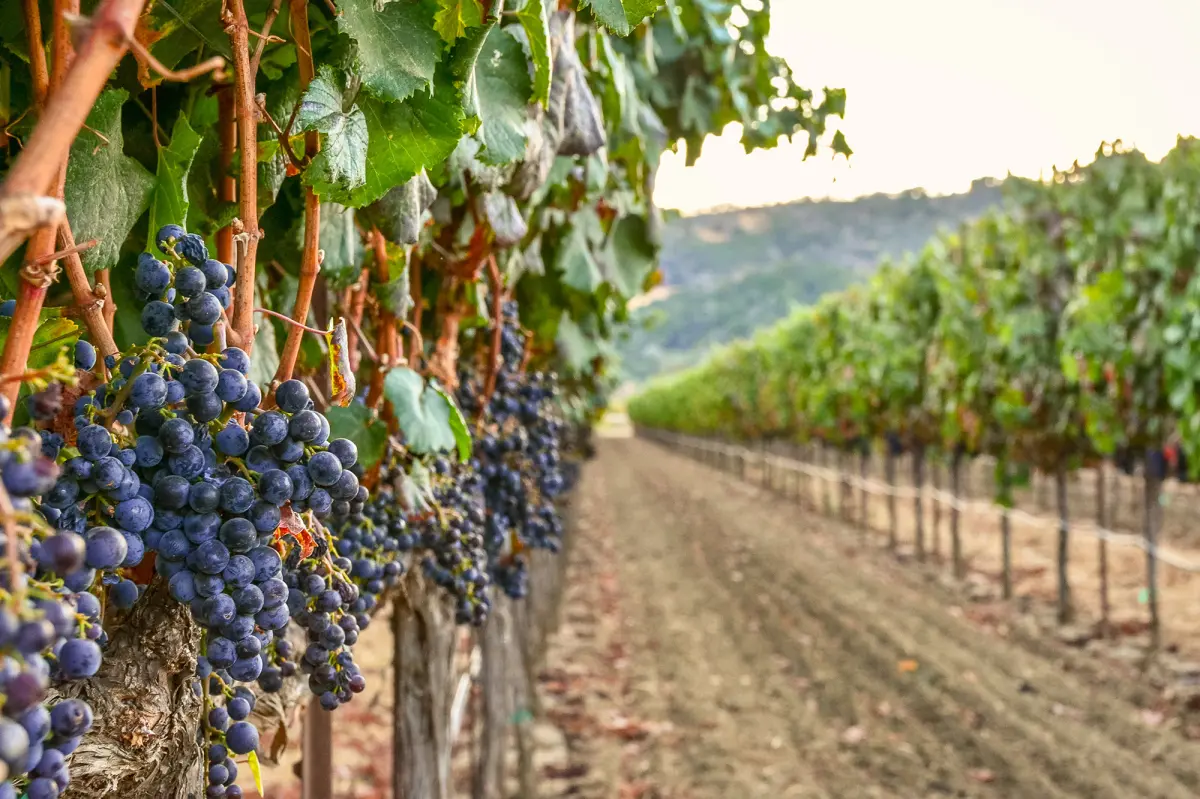
Another chapter in bureaucratic brilliance has arrived.
Growers in Napa Valley, who’ve spent decades coaxing their premium little grapes from stubborn soil, now face yet another “sustainable” fee layered atop a mountain of regulations that already threaten to crush the very industry officials claim to cherish.
The Napa County Groundwater Sustainability Fee, born from California’s 2014 mandate a decade ago, demands roughly $99 per irrigated acre annually, on top of a base charge for every planted acre.
For operations like Beckstoffer Vineyards, with its sprawling holdings supplying grapes to over 100 wineries, that translates to an extra $25,000 a year.
Costs keep climbing while grape prices slide.
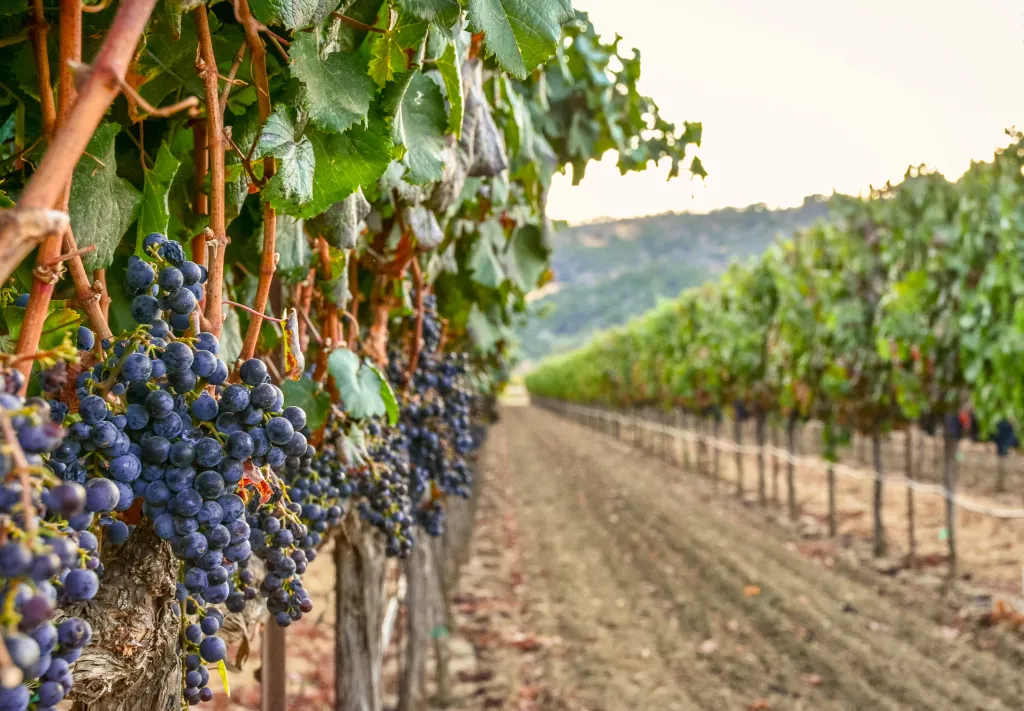
Labor expenses, already punishing, show no mercy, and the reality of supplying raw grapes to producers facing their own profit squeezes makes the math brutal.
Premium vineyards aren’t exactly flooding the landscape with water, either. These operations apply just enough to maintain quality, often no more than a few inches across the season, because overwatering ruins the very balance that commands top dollar.
That makes the fee’s logic look even more detached.
Why penalize careful stewards who already have skin in the game through market incentives? The fee arrives dressed in the language of local control and aquifer protection, yet it lands hardest on those least responsible for any hypothetical overuse.
Meanwhile, the broader wine economy teeters in ways that make this timing feel comically cruel.
Download The California Post App, follow us on social, and subscribe to our newsletters
California Post News: Facebook, Instagram, TikTok, X, YouTube, WhatsApp, LinkedIn
California Post Sports Facebook, Instagram, TikTok, YouTube, X
California Post Opinion
California Post Newsletters: Sign up here!
California Post App: Download here!
Home delivery: Sign up here!
Page Six Hollywood: Sign up here!
Oversupply, shifting consumer habits, and a post-pandemic hangover have left roughly half of California wineries unprofitable, according to recent industry reports.
Direct-to-consumer channels have cooled, tasting rooms sit quieter (many much quieter) and vineyard land values have softened as buyers hesitate.
Growers without production contracts still must irrigate, prune, fertilize and maintain blocks through the full season, burning cash while hoping some winery eventually bites.
Adding a new groundwater charge on top of this is like handing a drowning man a heavier anchor and calling it buoyancy assistance.
A Cal Poly study commissioned by the Napa County Farm Bureau laid bare the existing regulatory toll: Large vineyards already shoulder around $1,745 per acre in compliance costs, 12.5% of production expenses, covering everything from air and water permits to labor rules, heat illness standards and wildfire smoke protocols.
Smaller family operations fare little better at over $1,100 per acre.
The new fee simply joins an already crowded parade of mandates.
Officials frame the charges as essential to avoid state intervention and safeguard groundwater for future generations. Yet growers who’ve navigated droughts, heat spikes and smoke events without collapsing the aquifer wonder why the burden falls so squarely on them when their practices already prioritize restraint.
Napa County’s decision to absorb a chunk of first-year costs and chip in $500,000 annually offers temporary relief, but it doesn’t erase the precedent.
Future budgets can expand, monitoring requirements can intensify and the “temporary” easing can quietly evaporate once the political spotlight moves on.
In a region where luxury branding masks razor-thin margins for many wine producers, this feels like another instance of Sacramento-adjacent thinking that assumes deep pockets and endless resilience.
Premium grapes already carry the cost of careful water management in their market price; punishing that same care with extra taxation suggests the policy prioritizes revenue over the nuanced realities of viticulture.
Here sits an industry that has shouldered wildfires, shifting tastes and rising costs while delivering jobs, tourism dollars and global prestige to California.
Growers aren’t asking for handouts, they’re pointing out that the math no longer pencils when every client wants cheaper fruit, every regulator wants more paperwork and every new “sustainability” initiative wants another check.
Gov. Newsom’s involvement in the Napa groundwater fee issue has been indirect and hands-off. Newsom has pursued no statewide caps on such fees, nor targeted bailouts for Napa vineyards amid market pressures.
Since taking office in 2019, Newsom has continued strong support for the 2014 Sustainable Groundwater Management Act (SGMA), which mandates local agencies like Napa County to develop sustainability plans. His administration approved Napa’s Groundwater Sustainability Plan and leaves the ~$99/acre charge to local control to avoid state intervention.
The vines keep growing, the harvest still demands attention and the bills keep arriving regardless of whether the grapes find a buyer this season.
Richie Greenberg is a political commentator based in San Francisco.