

How Scotland approach the match in the conditions will also be a factor.
The game against Haiti was a nervy affair, with both sides regularly giving up possession in a fairly fenetic encounter.
Scotland only had 46% of the ball against the weakest side in the group, and though they may come out with a similar number against Morocco and Brazil, taking care of the ball is a priority in the heat and humidity.
Graeme Souness captained Scotland against Brazil in the heat of Seville at the 1982 World Cup.
“The problem when you play in heat is if you keep giving the ball away, sooner or later someone’s going to punish you,” he told the BBC.
“And I just felt, in the second half [against Haiti], when we were holding on to that lead, we should have been better at that. Don’t give the ball away. Good players don’t.”
Former Scotland striker Stuart McCall believes Clarke may sacrifice one of his strikers to bolster the midfield to add more mobility and try to add control.
“I would imagine they’ll take Lawrence Shankland out and add another midfielder,” he told BBC Scotland.
“Whether that’s Ryan Christie or Kenny McLean, who could sit in with Lewis Ferguson and let Scott McTominay play as a number 10 a bit further forward.”
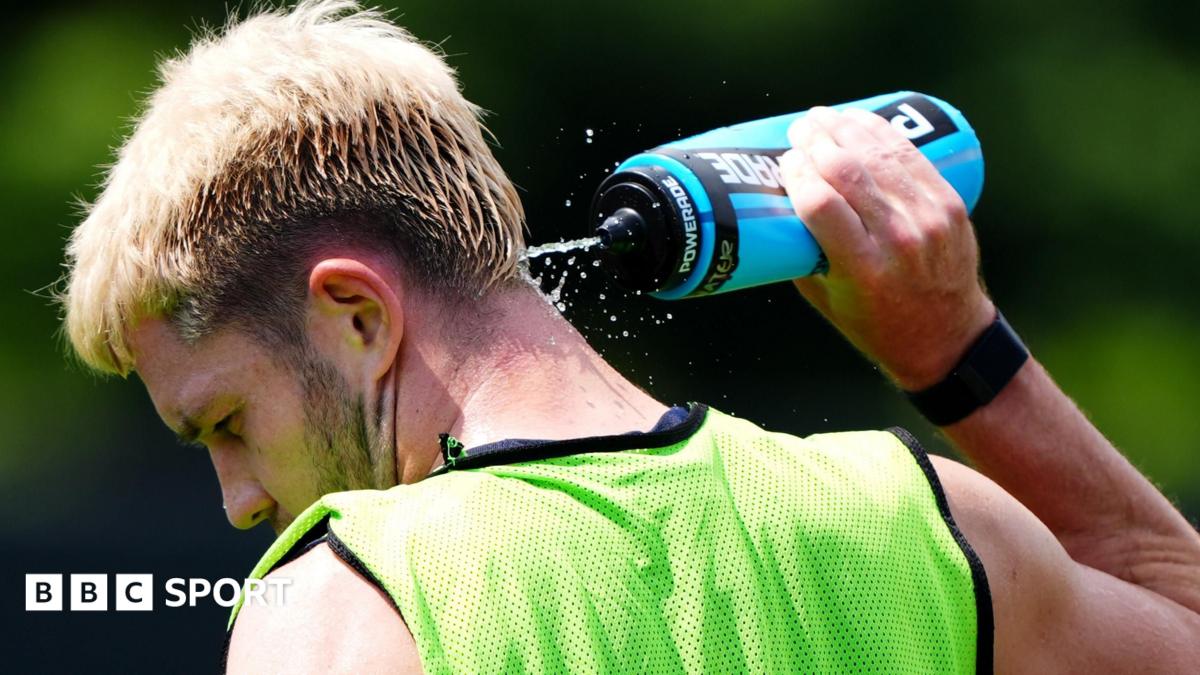
The hydration breaks 22 minutes into each half have also been a signifcant talking point at the World Cup so far, which Scotland will aim to use to rest and rest.
At last summer’s Club World Cup in the United States some teams like Bayern Munich even left their substitutes in the air-conditioned dressing room during the first half, rather than have them getting too hot on the bench.
One way or another, the conditions will have to be factored in to the game itself as well as the preparation.