


It was a wild week for oil markets.
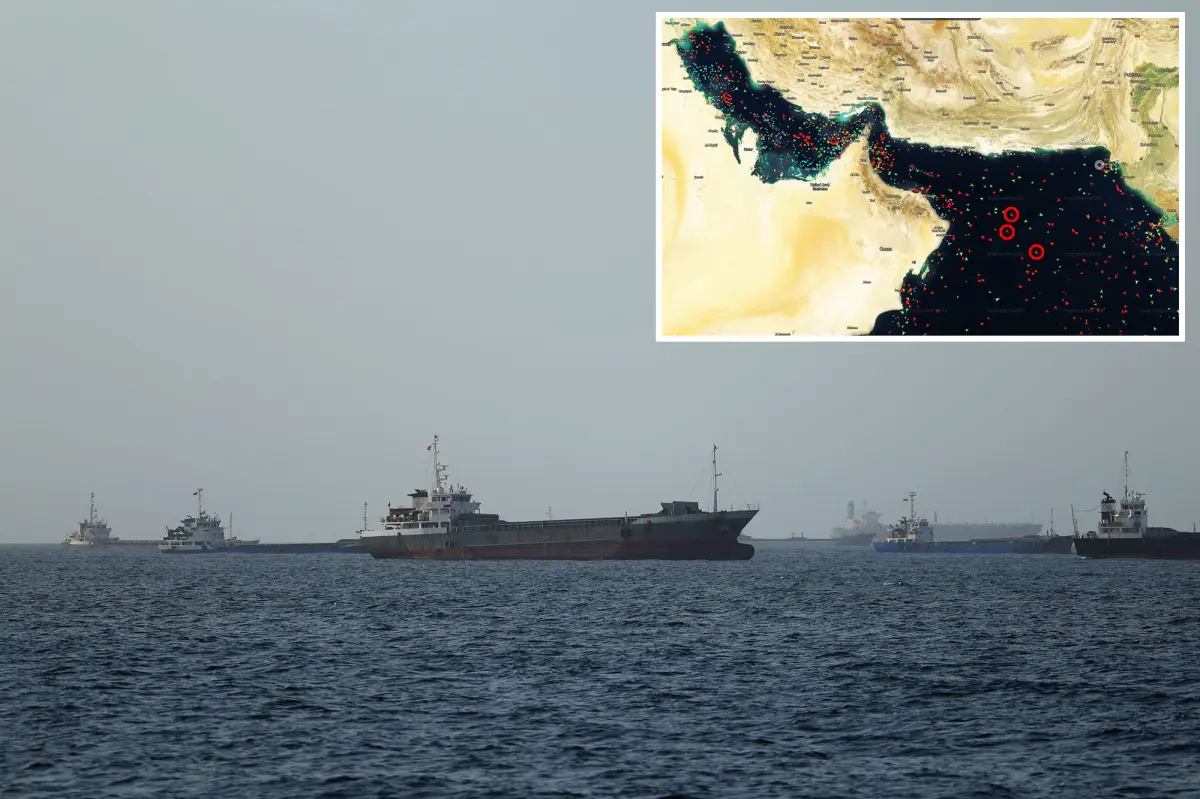
Iran shipped roughly 20 million barrels of crude into global markets after an interim agreement with the Trump administration loosened restrictions on Iranian exports and helped reopen the Strait of Hormuz — responsible for a fifth of the world’s oil flow during ordinary times.
The sudden release of supply helped drive oil sharply lower from its spring highs and pushed the US average for gasoline prices below $4 a gallon.
Crude prices clawed back some ground Friday after follow-up peace talks between Washington and Tehran that were scheduled for Geneva were abruptly postponed, injecting fresh uncertainty into the market.
On top of that, confusion pervaded after an Islamic Revolutionary Guard Corps statement suggested the waterway had been closed again — only for Iran’s Foreign Ministry to later say it was, in fact, open.
Brent crude traded around $80.50 a barrel while West Texas Intermediate hovered near $77.50 as of Friday afternoon.
Yet the bigger surprise is what didn’t happen.
Despite more than 100 days of disruptions tied to the Iran conflict and months of uncertainty surrounding Hormuz, oil never experienced the sustained spike many analysts expected.
“China is the key variable,” LPL Financial chief economist Jeffrey Roach wrote in a research note this week.
According to Roach, Chinese crude imports fell to 6.7 million barrels per day last month, nearly 40% below the 2025 average.
The reduction amounts to roughly 4 million barrels a day of lost demand — a staggering decline that he notes is “equal to the combined oil consumption of Germany and France.”
That collapse in Chinese buying has helped offset what otherwise would have been a severe supply shock.
Bloomberg reported that 11 tankers carrying a combined 20 million barrels departed Iran’s Chabahar port this week after months of restrictions that had effectively trapped the crude.
The sudden release of supply came as the US and Iran implemented a memorandum of understanding aimed at reducing hostilities and reopening shipping lanes.
Still, Roach argued that investors have been focusing on the wrong side of the equation.
While traders have spent months obsessing over whether Hormuz would reopen, China’s retreat from the crude market may be the bigger story.
Strategic reserve releases, lower refinery runs and new production from countries including Brazil, Guyana and the US have also helped cushion the blow from Middle East disruptions.
“The central question is how long Beijing can continue importing so little crude,” Roach wrote.
That view was echoed in the futures market.
LPL chief technical strategist Adam Turnquist noted that Brent crude has fallen nearly 40% from its April highs.
The Brent forward curve remains in backwardation — meaning near-term supplies are still tight — but the degree of inversion has moderated as traders price out some of the war premium that accumulated during the conflict.
December Brent contracts are now trading near $77 a barrel, down from $86 last week and roughly $95 a month ago, according to Turnquist.
Markets are essentially betting that some version of the current diplomatic framework survives.
But traders remain cautious. Shipping through Hormuz has resumed only gradually, tanker traffic remains below pre-war levels and the postponement of US-Iran talks has raised questions about whether the current truce can hold. Friday’s rebound in crude prices reflected those lingering concerns.
For now, weak Chinese demand is helping keep a lid on prices.
But Roach warned that could change quickly.
“If Chinese buying returns before supply risks ease, oil’s next move could look very different.”