

Cape Verdeans arrived in Massachusetts in waves of migration from the 1850s as whalers and seamen. The state is home to the largest Cape Verdean population in the United States, with estimates ranging from roughly 70,000 to over 90,000 residents.
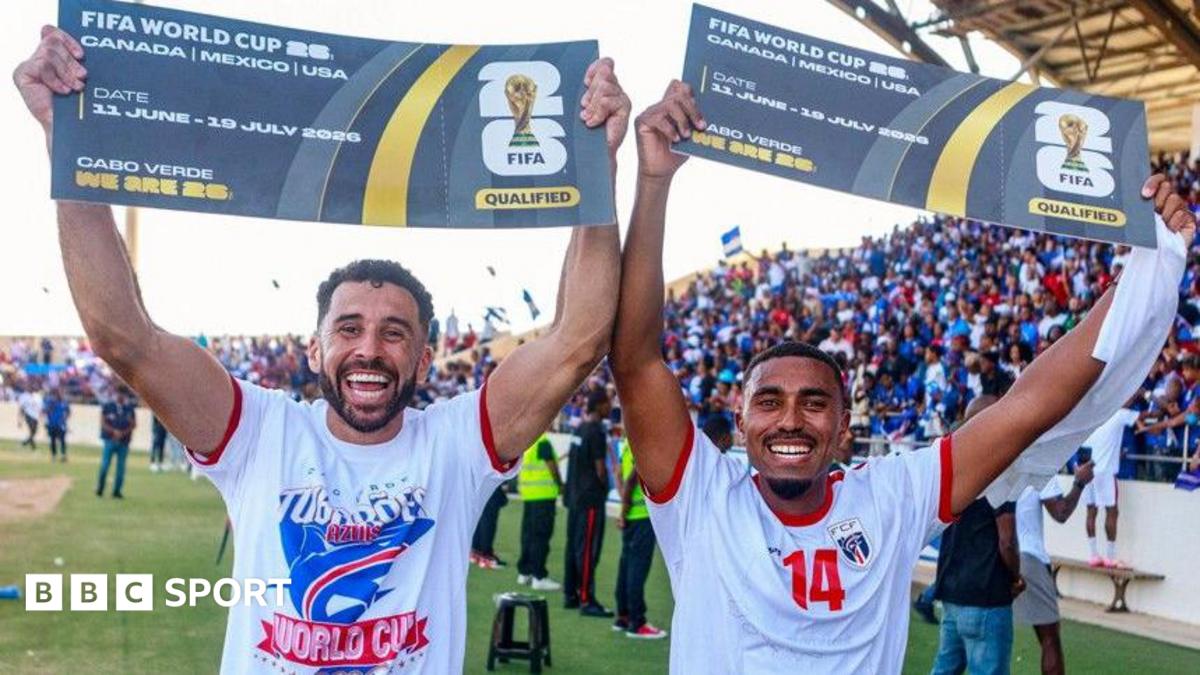
Alves regularly returns to his homeland to support the team and was in the 15,000-capacity national stadium in Praia, the capital, when the Blue Sharks beat Eswatini to book their place at the finals and leave fans shedding tears of joy.
“The rest of the world said, ‘No chance, no way are Cape Verde getting this close’. But here we are,” he says.
Alves and his wife, Neuza, have helped fund tickets to allow children across Cape Verde to attend international matches in Praia.
“Every kid playing football in Cape Verde has a dream to become a professional player,” he adds. “Every island you go, on every corner, you will find kids playing, some of them barefoot. They just want to play.”
Alves will be making the 1,000-mile journey from Boston to Atlanta for Cape Verde’s historic first World Cup game, but the giant television in Thony’s Barbershop will be showing the game live for the locals to watch.
“There will be free snacks, free drinks, you know, for people to come and enjoy,” he says.
“This is the power of sport. There are a lot of people in this community who don’t follow football, but they’ve been coming into the shop to ask questions.
“When’s the game? Where’s the game? Can I watch? Can I go? Can I come to the shop?
“This is the power of sport, getting people together.”